
The trade-offs every vendor should understand before signing a contract
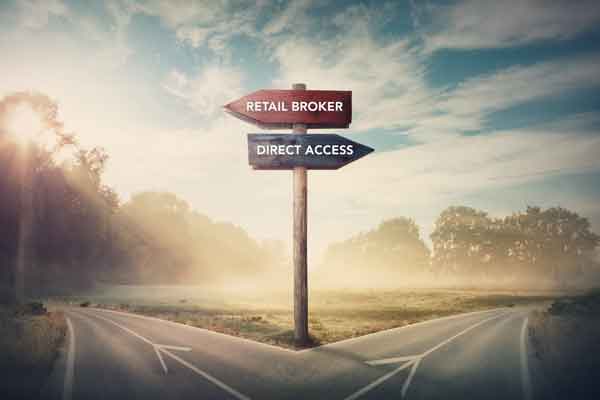
When you are ready to get your products into retail, one of the first questions you face is: should you hire a broker or go direct?
For decades, brokers dominated retail placement. They had the relationships, the experience, and the access. However, the landscape has shifted. Today, more vendors than ever are pursuing retail placement without a broker, connecting directly with buyers through new channels.
So then, which path is right for you? This post breaks down the real costs, timelines, and trade-offs of both approaches.
What Does a Retail Broker Actually Do?
First, let’s clarify what brokers offer.
A retail broker (sometimes called a sales agent or manufacturer’s rep) acts as a middleman between your brand and retail buyers. Specifically, they:
- Use their existing relationships to pitch your product to buyers
- Handle presentations, follow-ups, and negotiations on your behalf
- Manage ongoing retailer communication after placement
- Provide market feedback and competitive insights
In other words, brokers sell for you. They leverage years of buyer relationships so you do not have to build them from scratch.
According to the Manufacturers’ Agents National Association (MANA), approximately 60% of products in retail channels reach shelves through independent sales agents or brokers.
The True Cost of Using a Broker
Brokers do not work for free. Before signing a contract, understand what you are actually paying.
- Commission rates. Typically, most brokers charge 5-10% of gross sales on every order, for as long as you sell to that retailer. For example, if you land a $500,000 annual account, you pay $25,000-$50,000 per year to the broker, indefinitely.
- Upfront fees. Some brokers charge onboarding fees, monthly retainers, or marketing fees on top of commission. According to industry surveys, upfront fees can range from $2,500 to $25,000 depending on the broker’s reputation and your category.
- Minimum commitments. Many broker contracts lock you in for 12-24 months, regardless of performance. If the broker fails to deliver, you still owe them commission on any sales during that period.
- Margin erosion. Because brokers take a percentage off the top, your margins shrink. Consequently, you may need to raise prices (making you less competitive) or absorb the cost (hurting profitability).
- Hidden costs. Additionally, some brokers expect you to fund trade shows, samples, and promotional programs. These expenses add up quickly.
What Brokers Do Well
Despite the costs, brokers offer real value in certain situations.
- Established relationships. A good broker walks into buyer meetings with credibility. They have placed products before, and buyers trust their judgment. As a result, your pitch gets taken more seriously.
- Category expertise. Furthermore, experienced brokers understand category dynamics They help you avoid rookie mistakes that could cost you the deal.
- Time savings. Building buyer relationships from scratch takes years. Brokers shortcut that timeline by leveraging relationships they have already built.
- Negotiation support. Brokers know how to negotiate terms, placement fees, and promotional calendars. For vendors new to retail, this expertise can be invaluable.
However, these benefits come with significant trade-offs.
The Case for Direct Buyer Access
More vendors are now choosing retail placement without a broker. Here is why.
- You keep your margins. Without a broker taking 5-10%, your profitability improves immediately. For a $500,000 account, that is $25,000-$50,000 per year back in your pocket.
- You own the relationship. When you work directly with buyers, you build a relationship that belongs to you. If you switch platforms or strategies later, the buyer relationship stays with your brand. In contrast, broker relationships often belong to the broker, not you.
- You control the narrative. Brokers represent multiple brands, sometimes in the same category. Therefore, your product may not receive their full attention or best pitch. When you go direct, you control how your story gets told.
- You move faster. Broker timelines depend on their availability, priorities, and existing commitments. Direct outreach puts you in control of the timeline. As a result, you can pursue opportunities as soon as you are ready.
- You learn the business. Building direct relationships teaches you how retail actually works. You learn what buyers want, how negotiations happen, and what drives reorders. This knowledge compounds over time.
The Challenges of Going Direct
Going direct is not without challenges. Be prepared for these realities.
- Access is harder. Retail buyers are busy and flooded with pitches. Getting their attention without an introduction takes persistence and creativity.
- Learning curve. Similarly, if you have never sold to retail, you will make mistakes. Pricing errors, compliance missteps, and presentation gaps can cost you opportunities.
- Time investment. Building relationships yourself requires consistent effort. You cannot outsource the work and forget about it.
- Limited network. Brokers have relationships across dozens of retailers. Building that network yourself takes years.
However, new tools and platforms are making direct access more achievable than ever.
The Middle Path: AI-Powered Matching
What if you could get direct buyer access without spending years building relationships?
A new category of platforms uses AI to connect vendors directly with retail buyers. Instead of relying on broker introductions or cold outreach, AI analyzes your products and matches you to buyers actively sourcing your category.
Here is how it differs from the broker model:
| FACTOR | BROKER | AI-POWERED MATCHING |
|---|---|---|
| Cost | 5-10% of sales + fee | Flat Monthly Fee |
| Relationship | Broker owns it | You own it |
| Timeline | Depends on broker | 7-14 days typical |
| Control | Broker controls pitch | You control everything |
| Scalability | Limited by broker capacity | Continuous matching |
Essentially, AI matching offers the access brokers provide without the ongoing commission or loss of control.
Which Path Is Right for You?
The right choice depends on your situation.
Consider a broker if:
- You have strong margins that can absorb 5-10% commission
- You need immediate access to relationships you cannot build yourself
- You prefer a hands-off approach and have budget to support it
- You are entering a highly competitive category where credibility matters
Direct access is a good fit if:
- You want to protect your margins and build long-term equity
- You prefer owning buyer relationships directly
- You are willing to invest time in learning the retail business
- You want faster results without long-term commission obligations
Consider AI-powered matching if:
- You want direct buyer relationships without cold outreach
- You want predictable costs instead of open-ended commissions
- You need results faster than you can build relationships yourself
- You want to keep control of your brand story and buyer communication
Final Thoughts
Brokers served vendors well for decades. For some brands, they still make sense. However, the economics and trade-offs are significant.
Today, vendors have more options than ever. Direct access no longer requires years of relationship building or expensive broker contracts. AI-powered platforms now connect vendors to buyers in days, not months.
The vendors who succeed are the ones who choose the path that fits their margins, their timeline, and their long-term goals.
Looking for direct buyer access?
Buyers Connect uses AI to match product vendors directly with verified retail buyers. No brokers. No commissions. Learn more at buyersconnect.ai.
Sources
- Manufacturers’ Agents National Association (MANA), “The Role of Independent Sales Agents in Retail Distribution.” manaonline.org
- Retail TouchPoints, “How Emerging Brands Navigate Retail Placement.” retailtouchpoints.com
- Forbes, “The Hidden Costs of Retail Brokerage Agreements.” forbes.com
- Food Industry Association, “Broker vs. Direct Sales Models in Grocery.” fmi.org